Also available in简体中文Bahasa Melayu
Trending
In 2024, eating out averaged RM902.70 a month, more than food at home
Spending varies widely by state and flips by income. Which side is your household on?

Does more of your monthly food budget go on groceries or on eating out? On the national average, the answer has flipped. What about your household?
In 2024, Malaysian households spent an average of RM902.70 a month on eating out and RM875.80 on food at home. Khazanah Research Institute report, 23 October 2026
What it means for you
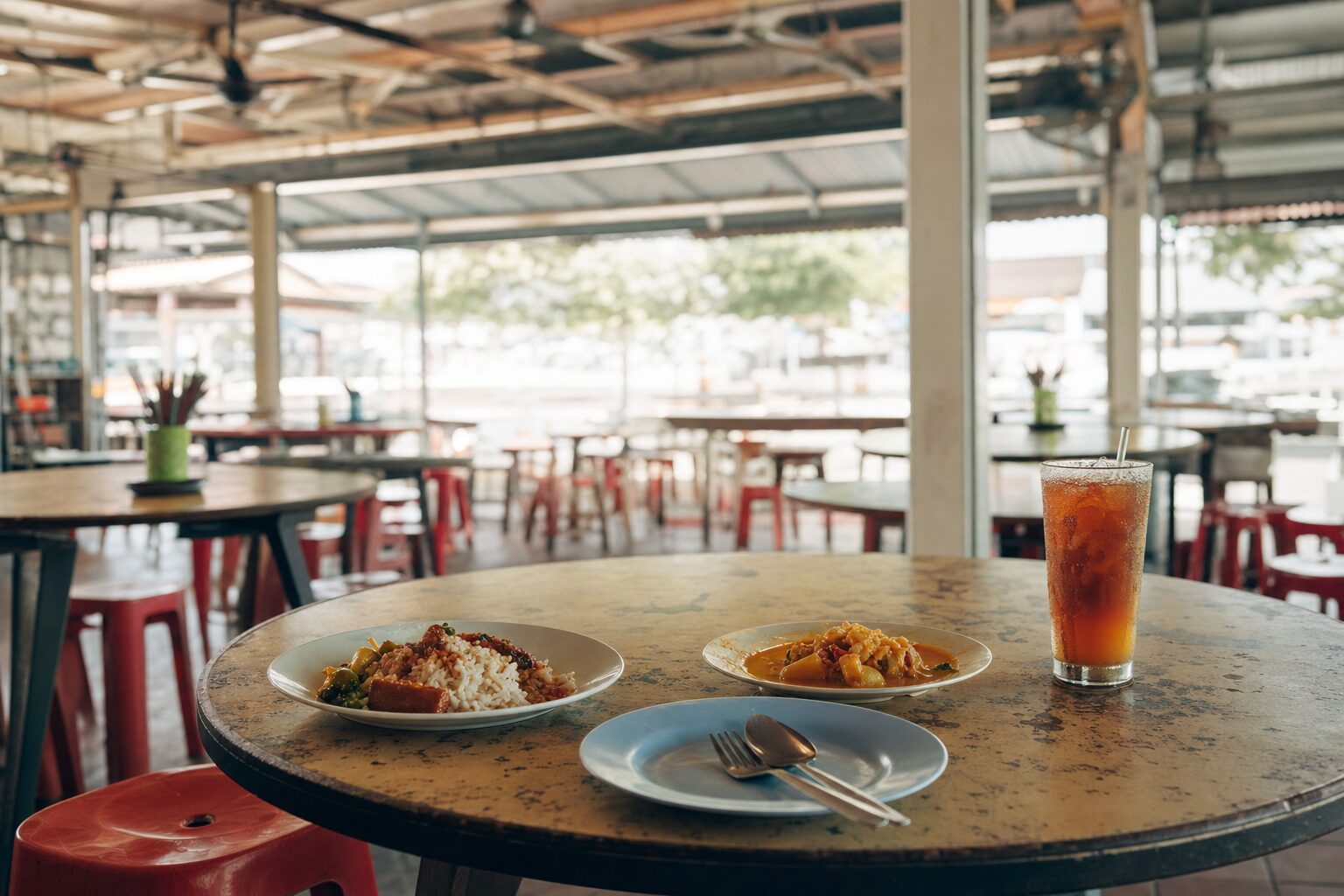
Eating out sits ahead of food at home: in 2024 the average household spent RM5,566 a month in total (Department of Statistics), with eating out taking 16.2% of it and food at home 15.7%. Eating out includes food delivered from restaurants. From 2022 to 2024, eating out was the main driver of rising total spending, adding RM78.20 in real terms, at 2024 prices, more than the RM61.70 rise in housing; real spending on food at home dropped in 2024.
It varies widely by state — check yours first: add up what your household spends on eating out in a month and compare it with your own state. In the central region — Selangor, Kuala Lumpur and Putrajaya — households spent an average of RM1,284 to RM1,441 a month on eating out; in Kelantan RM733; in Sabah RM378. Spending less does not mean a smaller share: in Kelantan eating out takes 19.2% of household spending, and Selangor (19.8%) and Penang (19.5%) also have high shares. From 2022 to 2024, Johor households spent RM179 more, the biggest rise of any state, while Melaka households spent RM255 less.
In the bottom 10% of households it is the other way round: 24.7% of spending goes on food at home and only 13.6% on eating out. Even so, that group spent RM63 more on eating out in 2024 than in 2022. The top 10% spent 2.1 times the national average on eating out.
The report also raises health concerns: eating out has been linked to poor diet quality, which in turn raises the risk of obesity and non-communicable diseases. In 2023, 32.6% of Malaysian adults were overweight and 21.8% obese, so together 54.4% were above a healthy weight range.
Still unknown
- How much of the RM902.70 is delivery: the report does not break it down.
- Urban versus rural spending: the report does not give that separately either.